The global conversation around climate change is rapidly evolving. While cutting down greenhouse gas emissions remains crucial, it’s increasingly clear that climate impacts are already here and will only get worse. This understanding is driving a vital shift: we must now prioritize strong adaptation strategies worldwide. Governments are realizing that preparing for inevitable climate realities—like rising temperatures, extreme weather, and ecosystem damage—is just as important for protecting our societies and economies.
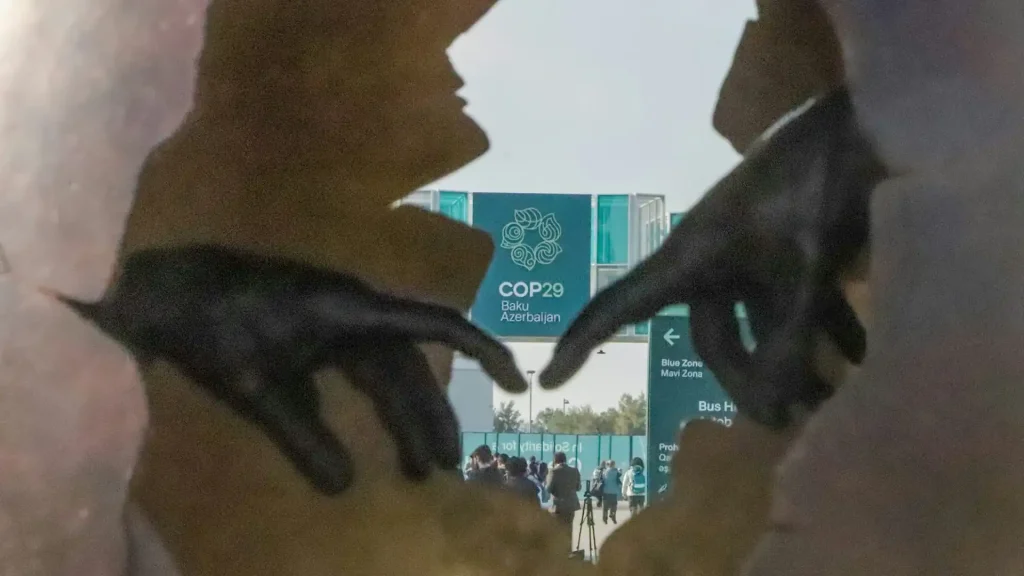
This global consensus on adaptation’s urgency was cemented at COP28 in Dubai in December 2023, where the UAE Framework for Global Climate Resilience was adopted. This landmark framework uniquely puts climate adaptation at the top of the agenda for all nations, making it the first international declaration with such a primary focus.
The UAE’s Climate Reality: A Region Under Pressure
The United Arab Emirates (UAE) is at the forefront of this global challenge, facing distinct and significant climate vulnerabilities. The Middle East and North Africa (MENA) region, which includes the UAE, is considered one of the world’s most susceptible to climate change. We’re seeing temperatures rise at twice the global average, along with increasingly scarce rainfall, long periods of extreme heat, drought, and aridity.
The UAE’s natural arid desert climate, with low and inconsistent rainfall (averaging 140-200 mm/year) and scorching summer temperatures that can hit 50°C, naturally makes it prone to severe climate impacts. The sheer scale of these threats was dramatically highlighted by the intense, record-breaking floods that hit the UAE in April 2024. This unprecedented event showed the nation’s growing vulnerability to catastrophic weather, prompting a major re-evaluation of its infrastructure and policies.
The Climate Imperative
The MENA region faces escalating climate threats, with temperatures rising at twice the global average. Recent events like the unprecedented April 2024 floods have highlighted the urgent need for robust adaptation strategies.
2x
Faster Warming
Compared to the global average, intensifying regional climate risks.
50°C
Extreme Summer Heat
Pushing environmental systems and infrastructure to their limits.
$8.2B
Flood Resilience Project
A direct response to the 2024 floods, increasing drainage capacity by 700%.
Abu Dhabi’s Monumental Step Forward
Against this backdrop of escalating climate challenges and a global pivot towards resilience, Abu Dhabi has taken a monumental step. The emirate has launched its first-ever Climate Change Adaptation Plan for the Environment Sector (2025–2050). This pioneering, science-based roadmap, developed by the Environment Agency – Abu Dhabi (EAD), signals a decisive move from simply anticipating climate realities to taking concrete, actionable measures.
The UAE’s proactive stance in championing climate adaptation globally, as seen in its leadership at COP28, is directly reflected in Abu Dhabi’s comprehensive plan. This isn’t just a local policy; it’s a tangible expression of a national and international ambition to lead in climate resilience. The UAE is strategically using its unique vulnerabilities as an arid nation to develop and potentially share its expertise in climate adaptation, positioning itself as a thought leader and practical implementer in the global climate discussion. This approach could attract more green investments and foster international partnerships.
The 2024 floods likely played a critical role in accelerating the comprehensive and urgent nature of this adaptation plan. While climate change impacts have been recognized for some time, a major, recent, and highly disruptive event like the floods provided undeniable, tangible evidence of vulnerability. This real-world impact pushed policy from theoretical planning to immediate, large-scale implementation. It shows a pragmatic policy-making approach where acute climate events directly inform and speed up the development and deployment of strong adaptation strategies. This also underscores the increasing economic and social costs of inaction, making adaptation an economic imperative, not just an environmental one.

Unpacking Abu Dhabi’s Vision: The Environment Sector Adaptation Plan (2025-2050)
Core Pillars and Strategic Alignment
Abu Dhabi’s Climate Change Adaptation Plan for the Environment Sector (2025–2050) is a meticulously crafted, science-based roadmap designed to protect the emirate’s natural resources and systems from the increasing and unavoidable impacts of climate change. It’s being called a “defining moment” for the emirate’s environmental future, marking a crucial shift from simply anticipating climate realities to taking “decisive actions” to protect its natural heritage.
The plan is deeply integrated within the broader strategic landscape of the UAE’s climate agenda. It forms a key pillar of the Abu Dhabi Climate Change Strategy 2023–2027, which aims for a 22% reduction in carbon emissions by 2027 and increased climate resilience across various sectors. Beyond the emirate level, it seamlessly aligns with the UAE National Climate Change Plan 2017–2050, a national framework for both mitigation and adaptation efforts across the country. Furthermore, the plan is consistent with the UAE Framework for Global Climate Resilience, established at COP28, which provides time-bound targets for adaptation planning across key sectors. This extensive alignment shows a high degree of policy coherence and strong governance within the UAE’s climate strategy. This multi-layered integration ensures that local efforts contribute to broader national and international objectives, benefiting from centralized support and coordination, thereby reducing fragmentation and enhancing the likelihood of effective implementation.
Pillars of Resilience
The strategy concentrates on the three most vulnerable environmental systems, which are fundamental to the emirate’s ecological health, water security, and agricultural productivity.
💧
Groundwater
Enhancing the resilience of vital water reserves against scarcity and contamination through sustainable management and technological solutions.
🌱
Soil
Combating land degradation and desertification to safeguard agricultural productivity and support robust, healthy ecosystems.
🦋
Biodiversity
Preserving natural capital by protecting habitats and species from climate impacts, ensuring the continuity of ecosystem services.
Focus Areas and Actionable Strategies
The Environment Sector Adaptation Plan strategically focuses on three environmental systems considered “highly vulnerable” to climate change: groundwater, soil, and biodiversity. These systems are critical not only for ecological health but also for human well-being, long-term water security, and agricultural productivity in Abu Dhabi. In an arid environment like the UAE, these areas are especially susceptible to challenges such as low rainfall, poor soil quality, lack of natural waterways, and the impacts of unsustainable human activities on land degradation. The explicit link between environmental degradation and human well-being shows a sophisticated understanding that impacts in one area, such as soil health, can affect others, like water quality, food production, and public health. This moves beyond isolated environmental management to a holistic, systems-thinking approach, recognizing that protecting natural capital is fundamental for societal stability and economic sustainability, especially in a resource-scarce region.
Through thorough risk assessments, the plan identifies a wide range of climate-induced threats and outlines a comprehensive set of 142 adaptation actions to be implemented by 2050. A key aspect of this ambitious roadmap is the prioritization of 86 high-priority projects, specifically earmarked for implementation within the next five years. This shows an immediate and aggressive commitment to action. These actions cover a diverse range of technical, institutional, and nature-based solutions. The high proportion of immediate, high-priority projects signals a strong sense of urgency and a commitment to tangible, measurable progress rather than just long-term aspirations. This suggests a strategic need to show early successes and build momentum, possibly in response to the escalating climate impacts observed. It also implies significant financial and human resource allocation to ensure these projects are actively implemented. The “defining moment” described by EAD officials is not just about launching a plan, but about starting a rapid, impactful phase of implementation, driven by the recognition that delayed action makes risks worse.
The plan’s main goals are to strengthen resource resilience, protect biodiversity, and work towards water and food security. It also plays a vital role in supporting national efforts to increase food self-sufficiency and facilitate a shift towards more sustainable land and water management systems.
Unveiling the Plan
Developed with over 40 stakeholders, the plan outlines a clear, science-based path to protect Abu Dhabi’s environmental future through a series of targeted, high-impact actions.
142
Total Actions
A comprehensive suite of measures to be implemented by 2050.
86
High-Priority Projects
Fast-tracked for implementation within the next five years.
Prioritizing Immediate Action
The plan front-loads its efforts, with over 60% of all actions designated as high-priority projects to build momentum and achieve tangible results quickly.
Collaborative Development and Dynamic Approach
A hallmark of Abu Dhabi’s adaptation plan is its highly collaborative development process. Led by the Environment Agency – Abu Dhabi (EAD), the plan involved extensive engagement with more than 40 government, semi-government, academic, civil society organizations, and youth representatives. This broad multi-stakeholder involvement ensures comprehensive input from diverse perspectives and fosters a shared sense of ownership, which is crucial for long-term success.
Furthermore, the plan is explicitly designed to be dynamic and forward-looking. It includes built-in mechanisms for periodic review, ongoing stakeholder engagement, and the continuous integration of new scientific findings and evolving climate projections. This adaptive design is vital for ensuring the plan’s long-term effectiveness in the face of a rapidly changing climate. The emphasis on multi-stakeholder collaboration and a dynamic, adaptive design points to a sophisticated understanding of “resilience” not just in environmental systems but also in governance. This iterative approach allows the plan to remain relevant and effective in the face of evolving climate science and unforeseen challenges, fostering long-term sustainability and broad societal buy-in. This commitment to evidence-based policy and continuous improvement is a critical component of its strategic framework.
The UAE’s Climate Reality: Why Adaptation is Paramount
Arid Environment and Water Scarcity
The UAE’s geographical location places it within one of the most water-stressed regions globally. The MENA region accounts for only 1% of the world’s renewable freshwater resources, despite being home to 6% of the global population. This inherent scarcity is a fundamental challenge. The UAE, with its arid desert climate, sparse and inconsistent rainfall, and extremely high summer temperatures, relies heavily on energy-intensive desalination to meet almost all its freshwater needs.
Climate change further worsens this already precarious situation. Rising temperatures, erratic rainfall patterns, and accelerating desertification contribute to the depletion of aquifers and undermine traditional farming systems. The economic implications of this water stress are severe, with climate-related water scarcity projected to cause significant economic losses in the MENA region, estimated at 6-14% of GDP by 2050. Furthermore, the region’s high dependence on food imports, accounting for 85-90% of consumption in Gulf countries, makes food security highly vulnerable to global supply chain disruptions and climate impacts elsewhere. Beyond economic and food security, rising temperatures also pose direct public health risks, including heat stress, respiratory illnesses, and the potential for increased infectious diseases. Adding to these challenges, pollution from chemical runoff, agricultural waste, and industrial discharges further degrades already scarce water resources and endangers biodiversity. The significant projected economic losses due to water scarcity underscore that climate adaptation is not merely an environmental concern but a fundamental economic imperative for Abu Dhabi. The heavy reliance on desalination also highlights the critical water-energy nexus, where securing water supplies directly impacts energy demand and associated emissions, making integrated planning essential for long-term stability.
Emerging Threats: Extreme Weather and Environmental Degradation
The UAE is increasingly experiencing the unpredictable and intense manifestations of climate change, particularly in the form of extreme weather events. The unprecedented and record-breaking torrential rains in April 2024, which led to widespread flooding, starkly highlighted the nation’s rising vulnerability to catastrophic weather. This event closed airports, immobilized major roadways, and exposed critical gaps in the country’s existing flood management systems. Experts attribute these erratic and intense rainfall patterns to elevated atmospheric moisture and altered jet stream patterns driven by global warming, warning of a growing likelihood of similar severe rainfall episodes in the future. This presents a critical paradox: a region defined by chronic water scarcity is simultaneously grappling with acute, devastating floods. This highlights that the challenge is not just the overall availability of water, but its erratic distribution and intensity, which overwhelm existing infrastructure designed for aridity. This necessitates a dual adaptation strategy: managing chronic scarcity while preparing for acute, high-impact events.
In response to the 2024 floods, the UAE has initiated a significant recalibration of its infrastructure and policies. This includes the launch of an $8.2 billion drainage project aimed at expanding rainwater drainage capacity by an impressive 700%. Specialized committees have been formed to assess vulnerabilities and redesign systems with enhanced weather resilience in mind. Abu Dhabi is also integrating cutting-edge AI-driven urban design tools into new city masterplans to ensure better water flow and natural drainage preservation.

Beyond water-related challenges, the UAE also confronts significant issues of soil degradation and biodiversity loss. The emirate’s environment is naturally characterized by poor soil quality, and soil degradation is a serious global challenge, with 52% of agricultural soil worldwide already degraded to varying degrees. Unsustainable human activities further deplete organic content, exacerbating food shortages, water scarcity, and biodiversity loss. The UAE has a long-standing commitment to protecting land from degradation, with initiatives such as the National Biodiversity Strategy and Action Plan, National Food Security Strategy, and UAE Water Security Strategy. Efforts include restoring habitats, promoting sustainable land management, and expanding protected areas, which currently number 49 and span 15.5% of the country’s territory.
Coastal areas of the UAE are also highly vulnerable to the impacts of climate change, specifically rising sea levels and increased storm surges. Coastal erosion and storm intensification pose significant threats to critical infrastructure and natural habitats along the coastline. Rising sea levels and increased drought can lead to saline water intrusion into estuaries, wetlands, and aquifers, contaminating vital freshwater supplies and threatening aquatic plant and animal life. The loss of coastal wetlands, which serve as important carbon sinks and provide critical habitats, further exacerbates climate impacts. The data clearly demonstrates that climate change is not just an environmental issue but a profound economic and social risk multiplier. The economic losses from water scarcity, floods, and soil degradation directly threaten the UAE’s long-term prosperity and stability. This economic and social imperative is a powerful driver for the UAE’s ambitious adaptation plans, framing climate action as essential for national security, economic diversification, and societal well-being, moving beyond mere environmental stewardship to strategic risk management.
Beyond the Environment: Abu Dhabi’s Holistic Climate Resilience Framework
Broader Sectoral Adaptation Plans
The Abu Dhabi Climate Change Adaptation Plan for the Environment Sector (2025–2050) is not a standalone initiative but an integral part of a much broader, emirate-wide adaptation strategy. It’s explicitly stated as one of four sectoral plans currently being rolled out. This comprehensive approach recognizes that climate impacts are systemic and require a holistic response across all critical areas of governance and economy. Upcoming plans will address the energy, health, and infrastructure sectors, collectively forming a unified framework designed to ensure the resilience of Abu Dhabi’s critical systems and communities. The existence of multiple, interconnected sectoral adaptation plans demonstrates Abu Dhabi’s understanding that climate impacts are systemic and require a holistic, cross-sectoral resilience framework. This approach ensures that vulnerabilities in one sector do not undermine resilience efforts in another, fostering true emirate-wide adaptive capacity.
A Multi-Pronged Strategy in Motion
Abu Dhabi’s adaptation plan is not just a document; it’s a portfolio of active and planned initiatives that blend nature-based solutions with cutting-edge technology.
Scaling Up Nature-Based Solutions
The UAE has dramatically increased its mangrove planting target, recognizing their critical role in coastal protection, carbon sequestration, and biodiversity.
Powering the Future with Clean Energy
Massive investments in solar and nuclear power are central to the UAE’s strategy, aiming to reduce emissions and build a secure, climate-resilient energy grid.
National Initiatives and Technological Integration
Abu Dhabi’s adaptation efforts are strongly linked to the UAE’s overarching national climate goals, including the ambitious UAE Net Zero by 2050 Strategic Initiative. The Abu Dhabi Climate Change Strategy 2023–2027, under which this environment adaptation plan falls, aims for a 22% reduction in carbon emissions by 2027, directly supporting the national net-zero target. This shows a mature and integrated climate strategy, where mitigation (reducing emissions) and adaptation (building resilience) are not treated as separate efforts but as synergistic and complementary pillars of climate action.
The emirate is implementing a wide array of projects and initiatives that showcase this integrated and technologically advanced approach:
- Renewable Energy: Abu Dhabi is developing the Al Dhafra PV (Solar) Plant, projected to be the world’s largest single-site solar plant (2.0 GW), significantly boosting solar capacity and displacing 2.4 million tonnes of CO2. The Emirates Water and Electricity Company (EWEC) already met 80% of its total power demand through renewable and clean energy sources (solar and nuclear) in March 2023. Unit 3 of the Al Barakah Nuclear Energy Plant also began commercial operations in February 2023, with the full plant expected to meet 25% of the UAE’s electricity needs. Even ADNOC aims to source 100% of its grid power from clean energy by 2021. These investments not only cut emissions but also boost energy security and reduce reliance on fossil fuels, which can be vulnerable to climate disruptions, maximizing co-benefits and optimizing resource allocation.
- Nature-Based Solutions: The UAE has significantly increased its commitment to nature-based solutions, notably by raising its mangrove-planting target from 30 million to an ambitious 100 million trees by 2030. Mangroves are vital for coastal protection, carbon sequestration, and biodiversity. A pioneering pilot initiative, a drone-based aerial seeding trial for arid land restoration, is already underway in the Al Dhafra Region, showing the emirate’s innovative approach to ecological resilience.
- Sustainable Transport: Efforts are underway to promote low-emissions vehicles, aiming to reduce air pollution and greenhouse gas emissions from the land transport sector. This complements existing national initiatives like the Dubai Green Mobility Initiative and the expansion of the Etihad Rail network, which significantly reduces CO2 emissions by taking trucks off roads.
- Carbon Management: The Environment Agency – Abu Dhabi (EAD) has introduced a carbon Measurement, Reporting, and Verification (MRV) program. This initiative aims to standardize and improve the reporting of greenhouse gas emissions across Abu Dhabi’s industrial and energy sectors, ensuring alignment with global best practices.
- Smart Urban Planning: In direct response to the challenges highlighted by the 2024 floods, Abu Dhabi has announced the integration of AI-driven urban design tools into new city masterplans. These tools are designed to ensure better water flow and the preservation of natural drainage systems. The emirate’s high ranking in the Smart City Index provides a strong technological foundation for such advanced applications. Abu Dhabi is not just implementing conventional adaptation measures; it is actively integrating cutting-edge technologies and fostering innovation as a central part of its resilience strategy. This reflects the UAE’s broader national vision for digital transformation and technological leadership. The use of AI for urban planning, for instance, suggests a proactive, data-driven approach to designing cities that are inherently resilient to future climate shocks, moving beyond reactive fixes. The severity of climate challenges in an arid environment necessitates innovative, technology-intensive solutions to achieve effective adaptation, as traditional methods alone may be insufficient. This positions the UAE as a testbed for advanced climate technologies, potentially creating new economic opportunities in green tech.
Integrating Advanced Technology
Abu Dhabi’s adaptation plan is not just a document; it’s a portfolio of active and planned initiatives that blend nature-based solutions with cutting-edge technology.
Integrating Advanced Technology
- 1
AI in Urban Planning
Deploying artificial intelligence to design flood-resilient cities and optimize water management in response to extreme weather events.
- 2
Drone-Based Restoration
Utilizing aerial seeding technology in pilot trials to restore arid lands efficiently and at scale, combating desertification.
- 3
Carbon MRV Systems
Implementing robust Measurement, Reporting, and Verification programs to accurately track emissions and ensure accountability.
A Benchmark for the Region: Comparative Analysis of Adaptation Efforts
Regional Leadership
Abu Dhabi’s pioneering Climate Change Adaptation Plan for the Environment Sector (2025–2050) firmly places the emirate “at the forefront of adaptation planning in the region” and “sets a new benchmark for environmental resilience.” While other Gulf Cooperation Council (GCC) states are increasingly integrating environmental protection and climate change into their national visions and actively contributing to global cooperation, Abu Dhabi’s comprehensive, first-of-its-kind plan for the environment sector provides a robust, actionable model. By launching the first dedicated environmental adaptation plan, Abu Dhabi is not just addressing its own vulnerabilities but also establishing a significant precedent and practical blueprint for other cities and nations in the highly climate-vulnerable MENA region. This positions Abu Dhabi as a regional thought leader and a potential hub for sharing best practices in arid land adaptation.
Global Parallels and Unique Approaches
Climate change presents shared challenges across many arid regions and rapidly developing urban centers globally. These include widespread water scarcity, escalating extreme heat, and extensive land degradation. A comparison with other regions shows both commonalities in challenges and a variety of solutions being pursued:
- Phoenix, AZ (USA): This major city in an arid US Southwest region focuses on water infrastructure, efficiency measures (e.g., toilet retrofit programs), sustainable food practices, and integrating green and gray infrastructure for water supply.
- Nevada (USA): Nevada’s Climate Innovation Plan includes ambitious GHG reduction targets and uses its high renewable energy potential (solar, geothermal). Its measures cover transportation (zero-emission vehicles, public transit), buildings (energy efficiency, retrofits), energy systems (renewables, storage, grid upgrades), and waste management.
- Australia: While the Australian federal government is still developing its first national adaptation plan, various states and local governments are implementing significant initiatives. These include urban cooling and greening projects (e.g., Adelaide), creating artificial reefs for coastal erosion protection, changing land use for flood management, and improving building standards for climate resilience. There’s a strong emphasis on “place-based, community-led” adaptation approaches.
- Israel: Another arid nation, Israel faces severe water stress and relies heavily on desalination and advanced wastewater treatment for water security. Its National Adaptation Plan includes a wide array of actions, from promoting water saving and pollution prevention to advancing water-sensitive planning and encouraging research.
- Coastal Adaptation (Global): Across coastal regions worldwide, strategies include elevating buildings, constructing physical barriers, and restoring coastal habitats (e.g., oyster reefs). There’s also a growing awareness of “maladaptation,” where hard coastal armoring, while protecting structures, can negatively impact coastal ecosystems.
Despite these shared challenges and diverse solutions, Abu Dhabi’s approach shows distinctive strengths that position it as a leading model for comprehensive climate adaptation:
- Comprehensive Integrated Framework: The seamless alignment of the emirate-level plan with broader national strategies and the UAE’s global leadership in adaptation (as shown by the COP28 Framework) provides a cohesive, well-resourced, and strategically coordinated foundation.
- Scale of Investment and Action: Abu Dhabi’s willingness to commit significant financial resources to large-scale infrastructure projects (e.g., the $8.2 billion drainage project, the Al Dhafra PV Plant) and to rapidly adopt advanced technologies (e.g., AI in urban planning, drone-based aerial seeding) shows an unparalleled level of commitment and an accelerated timeline compared to some nations still in foundational planning stages.
- Balance of Technology and Nature-Based Solutions: The emirate’s strategy thoughtfully combines high-tech solutions (e.g., advanced desalination, AI-driven planning, carbon MRV systems) with strong ecological restoration efforts (e.g., extensive mangrove planting, soil regeneration). This multi-faceted approach indicates a sophisticated understanding that optimal resilience requires leveraging both cutting-edge innovation and the inherent adaptive capacities of natural systems.
The extreme climate conditions in the UAE, while posing significant challenges, also create a unique “desert laboratory” for developing and testing advanced adaptation strategies. Solutions proven effective in such a harsh environment—from large-scale desalination and AI for water management to arid land restoration and climate-resilient infrastructure—have high transferability and scalability potential for other water-stressed or climate-vulnerable regions globally. This transforms a vulnerability into a competitive advantage in climate innovation.
Furthermore, the UAE, and specifically Abu Dhabi, shows a relatively advanced stage of climate policy maturity. While many nations are still in the foundational stages of identifying risks and formulating overarching plans, Abu Dhabi has moved to detailed, sectoral implementation plans that are interconnected and backed by significant investment. The existence of multiple, interlinked sectoral plans (environment, energy, health, infrastructure) suggests a sophisticated governance structure capable of coordinating complex, cross-cutting initiatives. While the UAE National Climate Change Plan 2017-2050 did not initially include quantified targets, the subsequent Abu Dhabi Climate Change Strategy 2023-2027 does include a 22% emissions reduction target by 2027, and the UAE Framework for Global Climate Resilience provides “time-bound targets for adaptation planning.” This indicates an evolution towards more specific, measurable goals over time, reflecting a learning and refinement process in policy development.
Conclusion
Abu Dhabi’s launch of its first Climate Change Adaptation Plan for the Environment Sector (2025–2050) represents a significant and strategic commitment to protecting its natural resources and ensuring the long-term well-being of its population in the face of escalating climate impacts. This comprehensive, science-based roadmap is deeply embedded within a broader national framework, aligning with the Abu Dhabi Climate Change Strategy, the UAE National Climate Change Plan, and the globally significant UAE Framework for Global Climate Resilience established at COP28.
The emirate’s approach is characterized by several key strengths: a pragmatic shift from solely mitigation to prioritizing adaptation; a highly detailed plan with a substantial number of immediate, high-priority projects; a holistic understanding of the interconnectedness of environmental systems with human health, food, and water security; and a robust, multi-stakeholder collaborative development process that ensures dynamism and adaptability. The recent, severe flood events in the UAE have underscored the urgency of these measures, acting as a catalyst for accelerated investment and policy recalibration, particularly in critical infrastructure and smart urban planning.
Furthermore, Abu Dhabi is strategically leveraging technology and innovation as core enablers of its adaptation efforts, from AI-driven urban design to drone-based restoration techniques. This is complemented by a strong commitment to nature-based solutions, such as large-scale mangrove restoration, which offer synergistic benefits for both mitigation and adaptation.
In a global context, Abu Dhabi stands out as a regional leader and a compelling model for other arid and climate-vulnerable regions. Its comprehensive, integrated national policy framework, significant financial commitment, and balanced blend of advanced technology and ecological solutions offer a distinctive competitive advantage. The extreme environmental conditions in the UAE, while challenging, have paradoxically created a “desert laboratory” where innovative adaptation strategies are being developed and tested, holding immense potential for transferability and scalability worldwide. This positions Abu Dhabi not just as a recipient of climate impacts, but as an active contributor to global climate resilience solutions, demonstrating a mature and proactive stage of policy implementation.