Introduction
The world stands at a pivotal moment in the fight against climate change. The transition to clean energy is not merely an environmental imperative but a necessity for safeguarding human rights and ensuring a sustainable future for all.
As nations strive to meet the ambitious goals set by the Paris Agreement, corporations play a critical role in driving this shift. However, this transition is fraught with challenges. Reports of corporate abuses within the renewable energy sector underscore the urgent need for a just and equitable transition that respects the rights of communities and workers alike.
This article explores the complexities of litigating corporate abuse in the context of the clean energy shift, delving into the urgency of climate action, the human rights implications of climate change, the rise of renewable energy, the challenges and abuses within the sector, and the role of litigation in ensuring accountability. It concludes with recommendations for a just transition that balances environmental goals with social equity.
The Urgency of Climate Action
Scientific Consensus on Climate Change
The scientific community overwhelmingly agrees that climate change, driven by human activities like fossil fuel combustion, poses a severe threat. The Intergovernmental Panel on Climate Change (IPCC) warns that limiting global warming to 1.5°C is crucial to avoid catastrophic consequences, such as intensified storms and heatwaves. This necessitates a rapid shift to renewable energy to curb emissions.
The Paris Agreement and Global Commitments
Adopted in 2015, the Paris Agreement sets a global framework to limit temperature rise to well below 2°C, ideally 1.5°C. Countries have committed to nationally determined contributions (NDCs), with renewable energy expansion as a key strategy. The International Energy Agency (IEA) projects that renewables must dominate the energy mix by 2035 to meet these goals, requiring substantial investment and policy support.
Economic Implications of Climate Inaction
The economic costs of failing to address climate change are profound. Extreme weather events, rising sea levels, and disruptions to agriculture and water supplies could result in trillions of dollars in damages. The World Bank estimates that without significant action, climate change could push over 100 million people into poverty by 2030. Conversely, investing in clean energy can stimulate economic growth, create millions of jobs, and yield long-term savings by reducing reliance on volatile fossil fuel markets.
Human Rights and Climate Change
Direct Impacts on Human Rights
Climate change directly threatens fundamental human rights, including the right to life, health, food, water, and housing. Rising temperatures exacerbate health risks through heatwaves and the spread of diseases, while changing weather patterns disrupt access to food and clean water. Floods and storms can destroy homes, displacing millions and undermining the right to adequate housing.
Disproportionate Effects on Vulnerable Populations
The impacts of climate change are disproportionately borne by marginalized communities, including indigenous peoples, low-income populations, and those in developing countries. These groups often lack the resources to adapt to changing conditions and are more dependent on natural resources threatened by climate change. Indigenous communities, for instance, face threats to their ancestral lands and cultural practices, exacerbating historical injustices.

The Rise of Renewable Energy
Overview of Renewable Energy Sources
Renewable energy sources—solar, wind, hydro, geothermal, and biomass—offer sustainable alternatives to fossil fuels. These sources are abundant, widely distributed, and produce significantly lower greenhouse gas emissions, making them critical to decarbonizing the global energy system.
Growth Trends and Market Projections
The renewable energy sector has seen remarkable growth. According to the International Energy Agency ( IEA), renewables accounted for nearly 30% of global electricity generation in 2023, with solar and wind leading the charge. In 2023 alone, solar photovoltaic (PV) capacity grew by 407 gigawatts (GW), and wind power by 117 GW, driven by policy support and record investments of USD 622.5 billion. The global renewable energy market is projected to reach over USD 2 trillion by 2030, fueled by rapid industrialization and urbanization, particularly in regions like Asia Pacific.
Benefits of Renewable Energy
Renewable energy offers numerous benefits beyond emissions reduction. It enhances energy security by diversifying supply sources, creates jobs in manufacturing and installation, and improves public health by reducing air pollution. Additionally, renewable energy can provide electricity access to remote and underserved communities, fostering economic development and social equity.
Challenges in the Renewable Energy Value Chain
Labor Rights and Working Conditions
While renewable energy jobs are often promoted as green and sustainable, concerns persist about labor rights and working conditions. Manufacturing solar panels and wind turbines can involve hazardous materials and poor working conditions, particularly in regions with weak labor protections. Workers may face low wages, long hours, and unsafe environments, necessitating stronger labor standards.
Environmental Impacts
While greener than fossil fuels, renewable projects can cause environmental harm. Large hydroelectric dams disrupt ecosystems, and wind farms may affect wildlife. The Business & Human Rights Resource Centre (2025) notes that environmental harm is a factor in 70% of tracked lawsuits, highlighting the sector’s ecological footprint.
Supply Chain Issues
The global supply chain for renewable energy technologies is complex, often involving the extraction of rare minerals from regions with weak governance. This can result in human rights violations, including child labor and forced labor, as well as environmental degradation. For instance, cobalt mining in the Democratic Republic of Congo has been linked to severe human rights abuses.
Community Displacement and Land Rights
Large-scale renewable projects require significant land, often leading to community displacement. The Business & Human Rights Resource Centre (2025) reports that 48% of lawsuits involve impacts on communities’ livelihoods, with 50% affecting protected areas like indigenous lands.
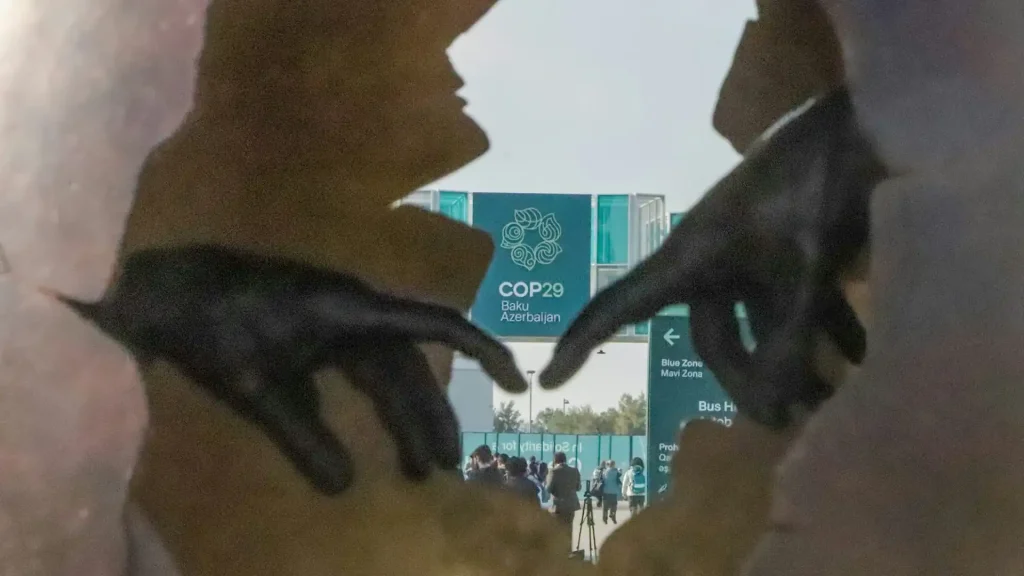
Corporate Abuses in the Renewable Energy Sector
The renewable energy sector, while promising, is not immune to corporate misconduct. These cases often involve violations of indigenous rights, environmental damage, and threats to community livelihoods.
Case Study 1: Berta Cáceres and the Agua Zarca Dam
Berta Cáceres, a renowned Honduran environmental activist, led opposition to the Agua Zarca hydroelectric project, which threatened the Gualcarque River, a vital resource for the indigenous Lenca people. Her activism highlighted the project’s potential to desiccate communal farmlands and disrupt cultural practices. Tragically, Cáceres was murdered in 2016, sparking international outrage. Legal proceedings later implicated executives from Desarrollos Energéticos S.A. (DESA), the company behind the project, in her assassination. The case led to the withdrawal of international funders, including the Dutch development bank FMO and Finnfund, underscoring the severe risks faced by human rights defenders and the need for corporate accountability in renewable energy projects. (The Guardian, 2018).
Case Study 2: Hualapai Nation’s Lawsuit over Lithium Mining
In August 2024, the Hualapai Nation filed a lawsuit against the U.S. Bureau of Land Management (BLM) over the approval of a lithium exploration project by Arizona Lithium Ltd. near their reservation. The tribe argued that the project, involving drilling at 131 sites, could contaminate Ha’Kamwe’, a sacred spring central to their cultural and spiritual practices. A federal judge issued a temporary restraining order in August 2024, halting drilling pending a hearing in September 2024. This case highlights the importance of respecting indigenous rights and conducting thorough environmental impact assessments in the development of resources critical to renewable energy. (Inside Climate News, 2024).
Case Study 3: Zambian Villagers vs. Vedanta Resources
In 2015, over 2,500 Zambian villagers sued Vedanta Resources and its subsidiary, Konkola Copper Mines (KCM), in UK courts for water pollution caused by the Nchanga Copper Mine. The claimants, including over 600 children, alleged that toxic discharges had damaged their lands, waterways, and livelihoods, affecting their ability to farm and fish. The case was settled in January 2021 without admission of liability, with the settlement amount undisclosed. This lawsuit brought attention to the environmental and human rights impacts of mining operations that supply materials for renewable energy technologies, such as copper used in wind turbines. (Reuters, 2021).
Patterns and Common Issues Across the Sector
These case studies reveal recurring patterns of abuse in the renewable energy sector, including violations of land and indigenous rights, environmental degradation, and attacks on human rights defenders. Latin America, in particular, accounts for a significant share of allegations, with 61% of global cases reported between 2010 and 2020. The Business & Human Rights Resource Centre has documented over 500 cases of abuse in the region, highlighting the need for systemic change to prevent the clean energy transition from replicating the harms of the fossil fuel industry.

Litigation as a Tool for Accountability
The Role of Legal Action in Holding Corporations Accountable
Litigation is a powerful mechanism for addressing corporate abuses. It can secure compensation, halt harmful projects, and drive policy changes. The Business & Human Rights Resource Centre (2025) notes that 65% of lawsuits seek to stop projects, with courts ruling in plaintiffs’ favor in 40% of these cases.
Types of Litigation Relevant to Renewable Energy
Lawsuits typically fall into three categories: environmental claims addressing pollution, human rights cases focusing on violations like displacement, and contractual disputes over project agreements. These legal actions often require robust evidence and complex arguments.
Analysis of Trends in Litigation
The Business & Human Rights Resource Centre (2025) highlights that 47% of lawsuits are filed by indigenous communities, with a focus on mining-related abuses. The high success rate in some cases suggests growing judicial recognition of these issues.
Recommendations for a Just Transition
Strengthening Regulations and Enforcement
Governments must implement stringent regulations to protect human rights and the environment. International frameworks, like the UN Guiding Principles on Business and Human Rights, should inform national policies to ensure accountability.
Enhancing Corporate Due Diligence
Companies must conduct thorough human rights impact assessments and engage in transparent consultations with communities. Adopting industry standards can mitigate risks in supply chains, particularly in mineral extraction.
Empowering Affected Communities
Communities need access to legal aid and platforms for participation. Ensuring FPIC for indigenous groups is critical to respecting their rights and preventing conflicts.
Promoting Sustainable and Ethical Practices
Investments should prioritize projects that balance environmental and social goals. Community-owned renewable initiatives can distribute benefits equitably, reducing tensions over large-scale developments.
Conclusion
The clean energy transition is indispensable for combating climate change and protecting human rights. However, it must be pursued with a commitment to justice. By leveraging litigation, strengthening regulations, and empowering communities, stakeholders can ensure that the shift to renewables is both sustainable and equitable, avoiding the pitfalls of past industrial practices.